Post Sepsis Syndrome Explained: Long-Term Effects and Paths to Healing
The fact of surviving sepsis is a miracle in itself- however, to most people, it does not conclude once they go back home. The process of recovery may be lengthy, painful and full of surprises. This set of lasting symptoms is referred to as post sepsis syndrome and its knowledge is indispensable to survivors, family and caregivers.
Sepsis recovery is not just about the body but it is also about restoration of strength, the processing of trauma and how to live again after a medical crisis that has changed everything.
What Is Post Sepsis Syndrome?
Post sepsis syndrome, which is simply known as post sepsis syndrome, refers to a cluster of physical and psychological symptoms that may take months or even years to relieve following the initial infection. All the survivors do not experience it in a similar manner, but most of them complain that their everyday life, relationships, professional work, and wellbeing are impaired.
To learn more about the condition and its extensive consequences, you may read more about Post sepsis syndrome with survivor experience and medical literature.
Typical Long-term effects that the survivor experiences.
PSS may differ in many ways depending on the individual, however, certain symptoms are highly prevalent:
Physical Symptoms
Chronic fatigue: A profound, inexorable fatigue that cannot be relieved by rest.
Muscle, joint pain: It is often associated with inflammation or damage to nerves.
Shortness of breath: Even mundane tasks can be too tiring.
Alterations in the appetite or weight: a lot of people find it hard to get back on their feet.
Frequent infections: it can take months before the immune system is recovered.
Sleep problems: insomnia and nightmares are extremely frequent.
Thought, Emotional Problems.
Memory problems or “brain fog”
Inability to concentrate or focus.
Freud, panic, or depression.
Post-traumatic stress (PTSD)
Affective instability or emotional instability.
Such symptoms may be overwhelming particularly when the survivors have the expectation of life returning to normal fast. However, not recovery following sepsis takes a linear path.
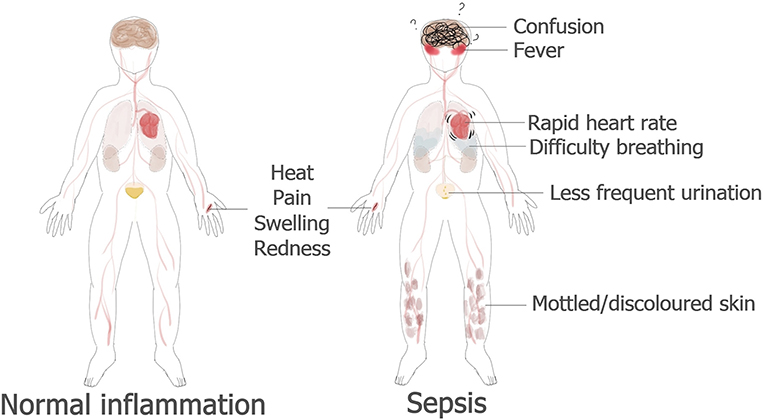
What is the Reason Post Sepsis Syndrome Occurs?
Sepsis is a severe inflammation which involves more than one organ which includes the brain. In the state of crisis, the body struggles to survive and in the process, most systems are traumatised which takes long to heal. There are survivors who spend days, weeks, months in the ICU where they are sedated, ventilated, and severely infected and these factors lead to long-term outcomes such as nerve damage, muscle loss, and psychological distress.
Concisely: the body can survive the storm but it takes time and encouragement to heal the effects of that storm.
Who Is Most at Risk?
PSS can develop in any individual who survived sepsis, although specific groups are likely to be at risk:
Older adults
Individuals that took long durations in intensive care.
Sepsis shock patients.
People having chronic diseases prior to the infection.
The survivors that had organ failure.
The awareness of the risk factors will enable the families and the caregivers to be vigilant on the symptoms that can occur after weeks of being discharged out of the hospital.
The Road to Healing: the way Survivors can heal.
Post sepsis syndrome can only be healed through medical treatment, emotional support, and waiting. The following are some of the steps, which are useful to many survivors:


Comments
Post a Comment