What Makes a Magic Book Truly Magical? Exploring the Secrets of Fantasy Writing
Something immortal about the stories that help the reader to forget that he or she is living in reality is casting spells, mystical creatures, and imagination as the supreme power. The magic book is not merely a book using wands and potions but it creates whole worlds, living and breathing, full of wonder, mystery and meaning. But what is it that causes a fantasy story to be memorable? What is the difference between a good and a book that makes readers spell bound? We shall delve into the art and craft of the storytelling that is really magical.
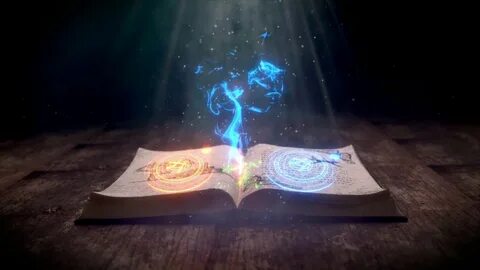
The Foundation: Constructing an A Plausible World.
World-building is at the center of every good fantasy novel. The setting is a character in itself, whether it is the crowded Diagon Alley or the darkened Middle-earth. Readers just desire to believe that the world is there, regardless of whether it is full of dragons, portals, or the ancient prophecies.
Good writers are attentive to detail: history, culture, language and laws of magic that rule their worlds. Regularity matters - once the regulations are set rules, they should be true. This even renders the most fantastic settings to be grounded and real.
The Magic of Character
There is no magic that will attract readers more than a well written character. It might be that it is a bottomless underdog, a wizard who realizes his potential and never wanted to be a hero, or it might be that it is a hesitant hero fighting his inner monsters, but readers identify with the emotion and then the magic. Characters bring the magic to the matter.
The extraordinary situations in fantasy writers tend to touch the universal aspects in human life, such as courage, loss, friendship, or self-discovery. These emotional fibers make the story relatable even though it is set in a world that is so distant to our own.
Deceit, Darkness and Discovery.
Each spell must have tension, and each quest must have purpose. Fantasy stories are set in motion by conflict and are usually good versus evil, chaos versus order and belief versus doubt. However, there is room of nuance in the best fantasy books as well.
Everything is not black and white in really magical writing. There are good and bad men, and the story has no happy ending. This intricacy continues to have readers flip pages as they strive to get to the underlying meaning concealed within the adventure.
The Strength of Symbolism and Theme.
In literature, magic tends to reflect the state of humans. It may be an embodiment of knowledge, temptation, freedom, or power - and how it is utilized will be more or less the moral compass of the world into which it enters.
You can think of the One Ring in the lord of the rings - a symbol of corruption and temptation, or the spells in Harry Potter, which rely on intent and control over oneself. Such layers of symbolism make the story so high, it is not just escapism but something serious.
Writing Like Magic.
Fantasy writing is fundamentally comprehensive on language that stimulates wonder. Colorful imagery, lyrical prose and the feeling of rhythm can make a common picture charismatic. A metaphor at the right place or a mysterious prophecy can make the readers feel the beat of the world full of possibilities.
However, this is merely a trick, but what really matters is the emotional resonance, this touch of recognition when the readers find some of themselves in a mythical world. It is not the spell books or the wizards that make a story magical, it is the combination of these things that brings out universal truths of courage, hope and the human spirit.


Comments
Post a Comment