What Cultural Traditions Are Tied To Capoeira?
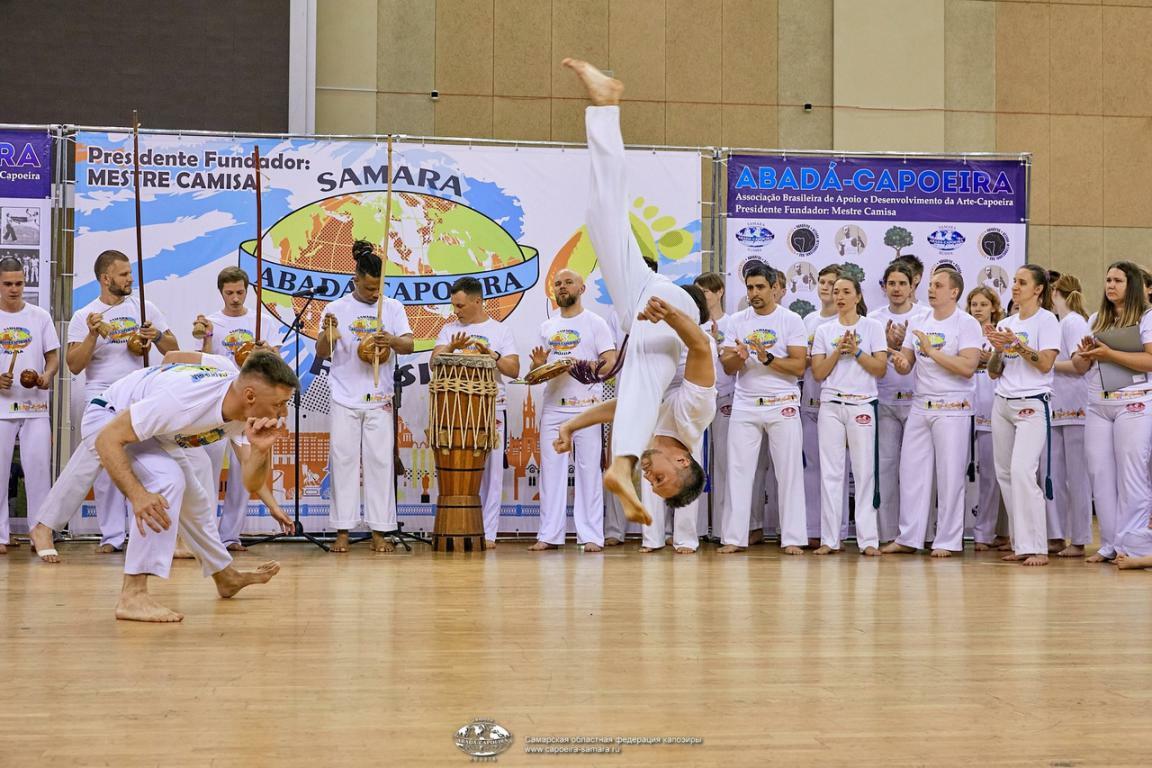
Capoeira is much more than a martial art- it is historical, cultural, and even strength. Capoeira, which started in Brazil, was formed in times of slavery when African people who were brought to Brazil incorporated aspects of fighting, music and dancing to maintain their cultural identity and overcome oppression. Nowadays it is one of the strongest symbols of freedom and unity. Nevertheless, what cultural roots are associated with such an interesting form of art dance martial arts Capoeira dance martial arts capoeira?
The Roda (Circle)
The core of capoeira is roda; a circle of people holding the game. However, within, two players are flowing back-and-forth with attacks, defenses and acrobats, and the rest of the circle applaud, sing and play instruments. Roda is not just a place where capoeira is exercised but also traditions are preserved, and it involves music, spirituality and mateship.
Music and Instruments
Capoeira cannot be divorced of music. The rhythm dictates the speed and style of the game, and leads the movements of players. Conventional tools are:
- Berimbau: Percussion instrument played on a single-string, the leader of the rodas.
- Atabaque: A high hand drum that gives rhythm.
- Pandeiro: A tambourine type of instrument that
provides syncopation.
In addition to instruments, the call-and-response songs of capoeiristas are historical, folkloric and moral.
Call-and-Response Singing
Capoeira songs have cultural content. They are able to pay tribute to the ancestors, narrate or comment upon the game in progress. This oral tradition is a tradition that has been transmitted over generations where the struggle, resistance and triumph stories have been kept.
Rituals of Respect
Players also use the time before joining roda to bow or kneel in respect to the instruments, the mestre (master) and the circle itself. This gesture is a gesture of humility and is a practice of recognizing the fact that capoeira is a collective culture.
Festivals and Batizados
A batizado (baptism) is an honorable event in which new students become formal members of the capoeira community and are given the first corda (belt). This practice involves music, performances, and games with older participants. It is not only a symbol of cultural continuity but also the transfer of the knowledge between generations.
African and Brazilian Roots
The Capoeira movements, songs, and rituals have shown a strong attachment to the African traditions, especially the Angolan ones. It also became influenced by the Brazilian elements over time, establishing a distinctive form of art that praises the spirit of resiliency, liberty and cultural pride.


Comments
Post a Comment