Books on Drugs and Addiction: Exploring the Impact and Recovery Journey
Drug addiction forms a complex problem which impacts people in addition to their families and communities across the globe. People who want to learn about substance abuse science or witness real accounts of addiction or understand recovery pathways will find deep insights through books about drugs and addiction.
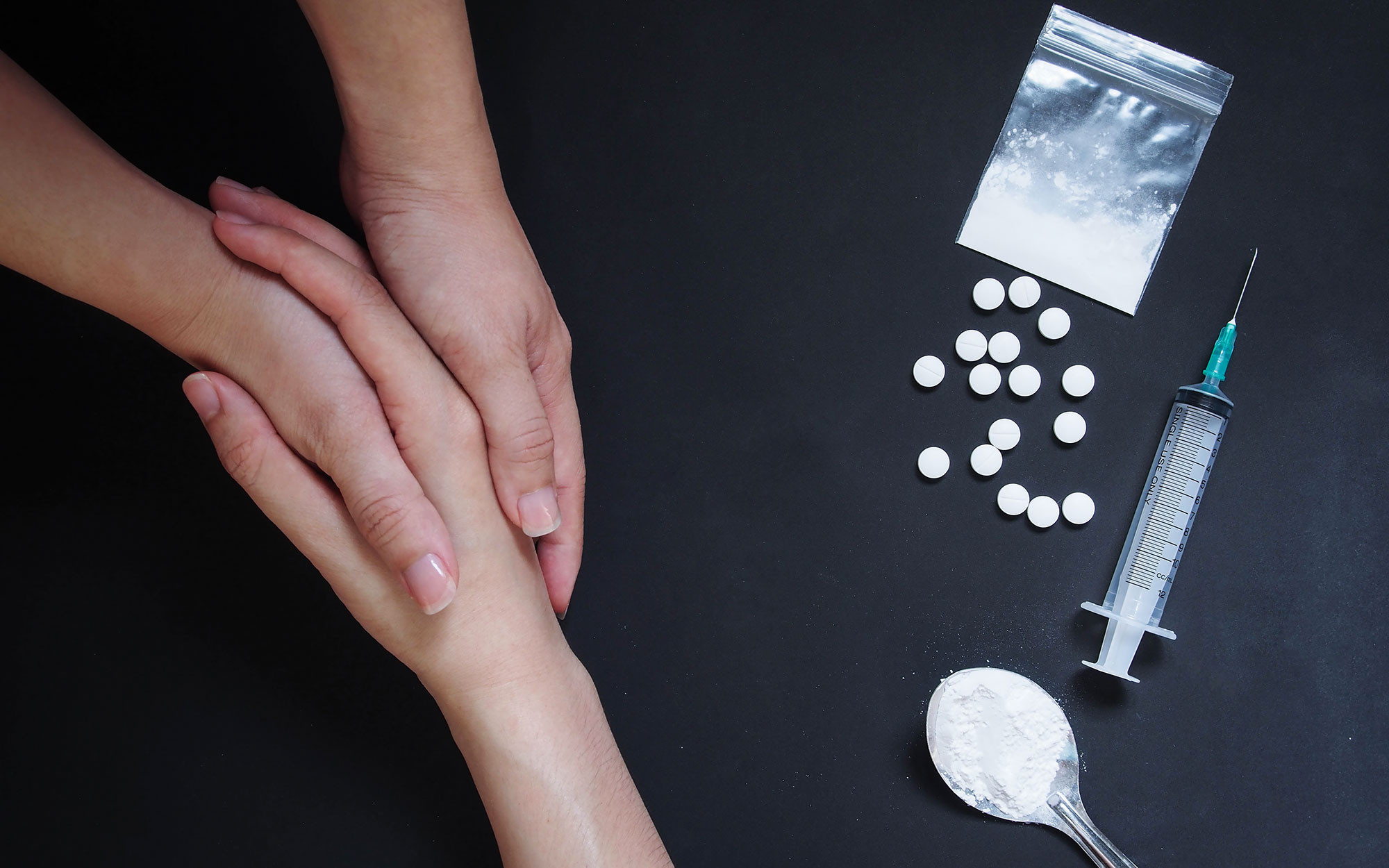
The following list contains influential books about drugs and addiction which include individual life stories alongside investigative reports as well as expert knowledge.
1. "Beautiful Boy" by David Sheff
The memoir details how David Sheff navigated being a father to a son who battled meth addiction. The book gives readers an intense deeply felt depiction of what addiction does to families while detailing the non-linear nature of addiction treatment.
2. "Tweak" by Nic Sheff
From the viewpoint of son David Sheff this book shows how his brother Nic Sheff battled individual drug addiction through real-life accounts. The memoir presents an authentic picture of substance abuse through his personal experiences with relapses and rehab and staying sober.
3. "Dopesick" by Beth Macy
The book Dopesick extensively documents the role pharmaceutical corporations alongside medical professionals and American health systems played in causing the nation-wide opioid addiction epidemic. The book uses a combination of scientific(reportal) findings and personal stories to understand the harmful consequences of the epidemic.
4. "In the Realm of Hungry Ghosts" by Dr. Gabor Maté
Dr. Gabor Maté creates a compassionate analysis of addiction which demonstrates the relationship between drug abuse and early childhood trauma together with behavioral health and environmental conditions. This book opposes standard beliefs about addiction by pushing for compassionate medical attention to patients.
5. "The Recovering: Intoxication and Its Aftermath" by Leslie Jamison
The Recovering explores addiction by connecting literary perspectives to the personal addiction journey of famous writers and author Leslie Jamison. The text demonstrates how addiction frequently connects with creativity before detailing how becoming sober triggers mental transformation.
6. "Addiction: A Disorder of Choice" by Gene M. Heyman
The book explores addiction from both scientific and psychological standpoints. According to Heyman addiction represents a multi-dimensional behavioral condition regulated by environmental elements and neurologic elements along with free choice.
7. "Junkie" by William S. Burroughs
Heroin addiction forms the central theme of Junkie as a semi-autobiographical book in addiction literature. Burroughs writing style delivers an unadulterated depiction of addiction that every reader curious about drug usage experiences should experience.
8. "Clean: Overcoming Addiction and Ending America’s Greatest Tragedy" by David Sheff
Following Beautiful Boy David Sheff utilizes his second book to investigate successful methods in addiction recovery therapies. Science-based research joins with failed policies and proven evidence-based solutions as main subjects of his examination.
Why Read Books About Drugs and Addiction?
These books about drugs and addiction serve as essential sources of knowledge which help people intimately affected by addiction or those who care about a loved one battle addiction while educating anyone who wants to grasp the issue. The book describes addiction's hardships and shows how it influences families along with the population and displays the potential for healing during recovery.
These books present true stories and research which teach important lessons about building empathy toward others combined with lessons about being resilient and showing healing abilities and establishing that addiction does not govern identity while recovery always remains available.
Why analyzing approximately clinical errors matters
Preventable medical mistakes are a sizeable but regularly not noted difficulty in healthcare. Through reading those books on preventable clinical mistakes, patients, healthcare providers, and policymakers can gain a higher knowledge of the risks involved in clinical remedy and how to advise for safer practices.
Expertise is a effective device in healthcare. The more we learn about clinical errors, the higher prepared we're to prevent them—in the end saving lives and enhancing affected person effects.


Comments
Post a Comment