What is the Process of Designing Book Layouts?
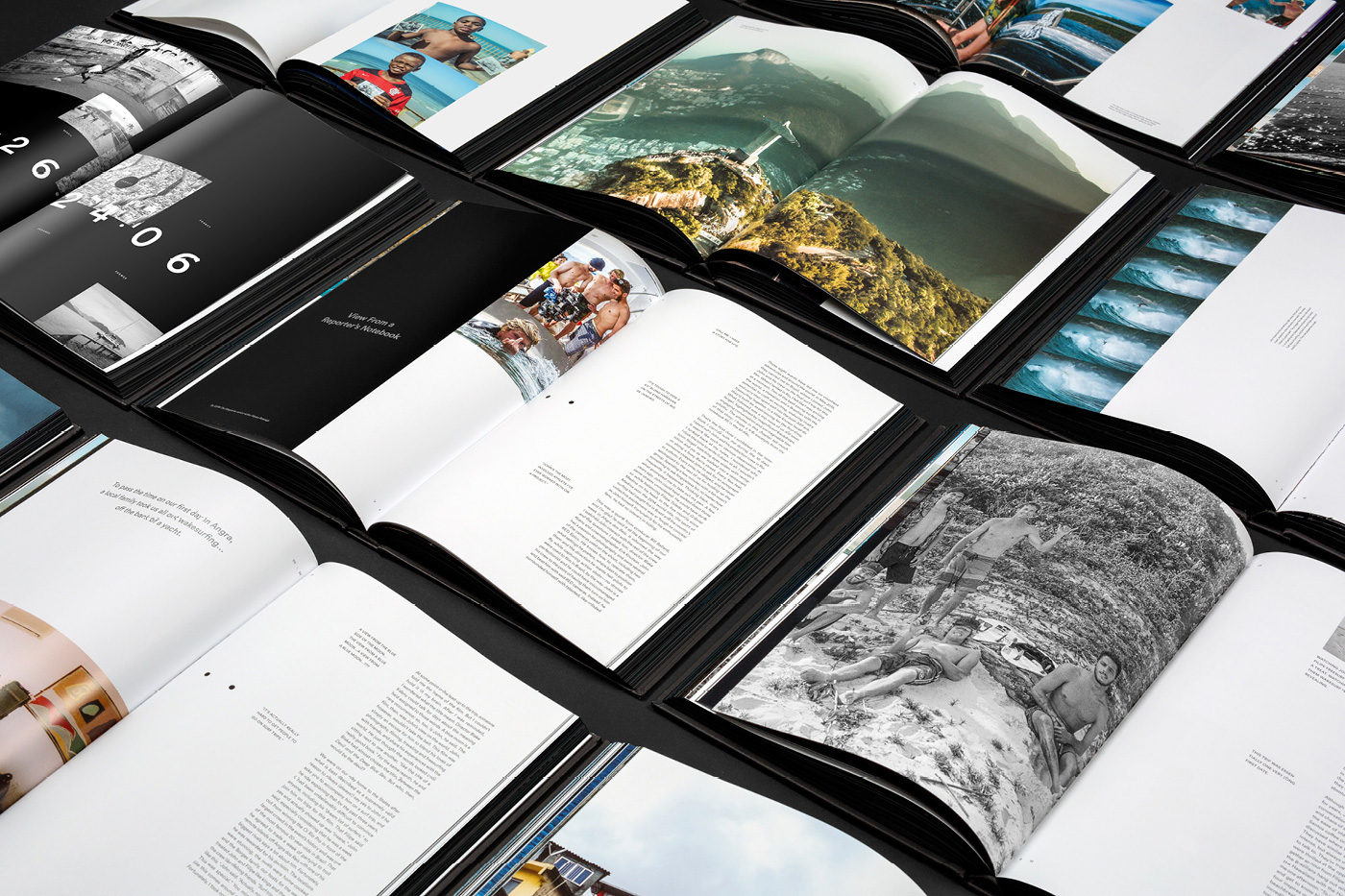
Creating a book layout is very important though it is a section that many people overlook or consider to be irrelevant. Concerning format, it concerns the way the text comes out at the end of the day in terms of how easy it is to read, how visually appealing the pages are and so on. The format is also rather important; no matter if you are writing a novel, a non-fiction book, or a picture book the format should follow and illustrate well the contents of the book. However, what actually constitutes a book layout process? Here we may look at the steps described as follows.
1. Understand the Content
The first fundamental of getting it right when designing the layout of a book is to get a grasp as much as possible of the content and objective of the book. This involves: Identifying the audience, the type of text and the organization of text. A layout requirement of a novel will be quite different from that of a cookery book or an illustrated picture book, for instance.
When it comes to the fictional book you may pay more attention to textual readability and demonstrated paragraphing; in the non-fiction book headings, bullet points and illustrations may be required. At any rate, the best format is based on understanding of what should be done with the content.
2. Decide Correct Page Size and Margins
Defining the page size (trim size) is essential, as it defines the actual size of the book and impacts all aspects of the design. Standard sizes differ with respect to type of cover—hardcover paperbacks are usually shorter as compared to hard covers classics or hardcover coffee table books or textbooks. Decisions about size have implications for layout, in terms of how many words can be contained on one page, right down to the issue of handiness.
Second, there should be proximities or the space between the merry go round logo and the text they contain should be good so as not to be tight looking. He says margins also serve to prevent the text from running over the ‘gutter’, an area on the inside edge of the pages in the book.
3. Non-Fiction Illustrated Books
A good number of nonfiction books, especially those intended for young readers, include illustrations to aid in explaining ideas or to offer further information. It is usually used in lessons in history, science or biography where pictures, drawings, charts, maps etc can be of essence to understanding the topic in detail.
Depending on the content non-fiction illustrated books can have simplified format. For instance, educational books may have standard dimensions of 8.5 x 11 inches to fit large illustrations and many-worded captions.
All in all, a good book design and illustration is a work that was well thought out, creative as well as detailed. Evidently, most authors need help in how they want their books to look like and therefore book design and illustrational collaboration must be in harmony for a professional and smooth appearance of the books.


Comments
Post a Comment