How can building owners prepare for a compliance inspection?
Therefore, compliance inspection plays a critical role in the management of buildings since it is vital to understand if the building is safe and up to the standard required by the law and the different activities that are carried out in the building. This is because, a well prepared inspection can go a long way of avoiding time wastage, additional cost and barrage of problem that would require to solved in the near future. Below are some of the measures that building owners can take on how to building compliance and inspection services
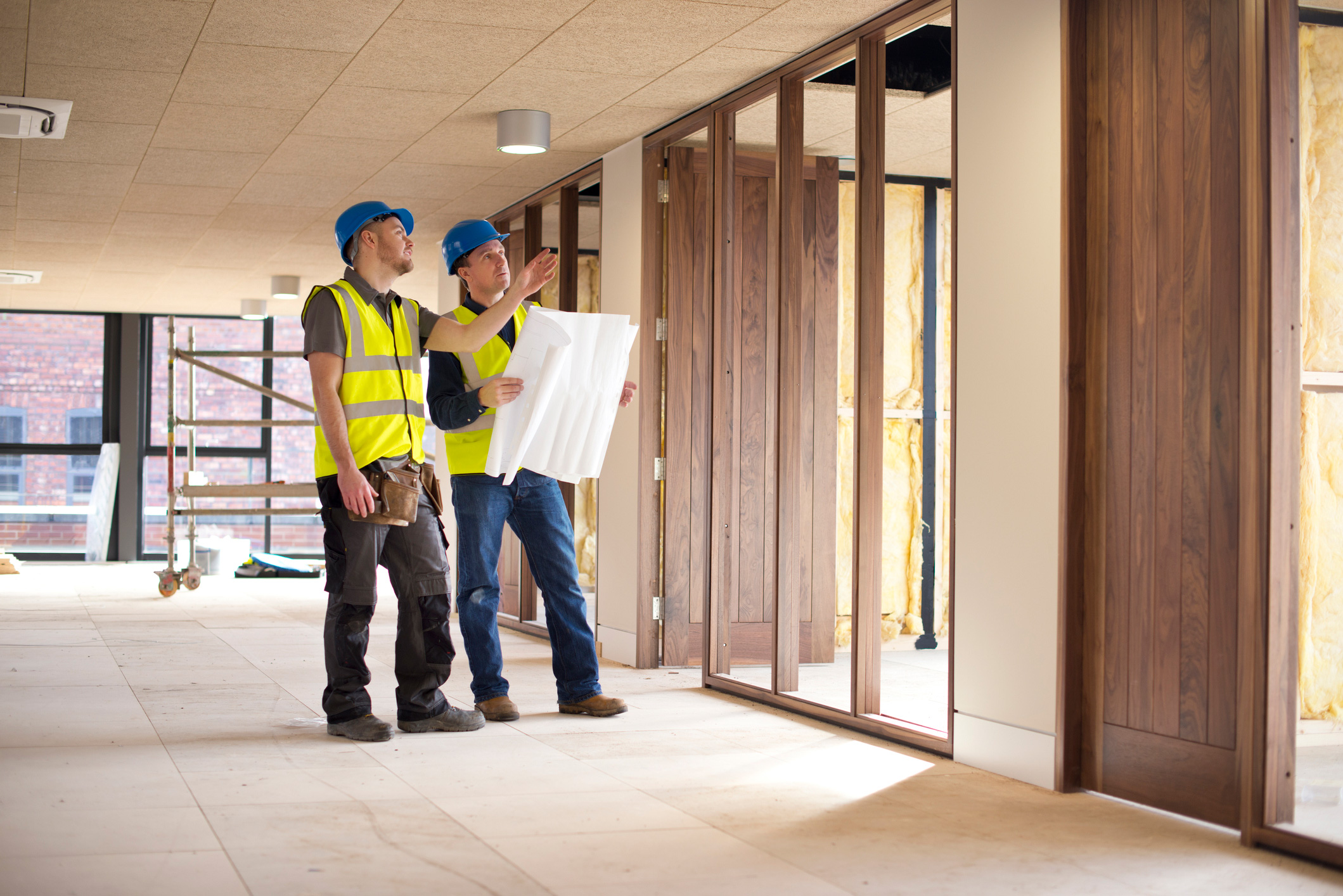
1. Understand the Requirements
The first action that needs to be taken when preparing for a compliance inspection is in the identification of the requirements and codes peculiar to the building. These can vary based on:These can vary based on:
· Local Building Codes: Identify the regional and national laws that apply to construction and use of structures within your area.
· Type of Building: It must be noted that the requirements of different kinds of structures (residential, commercial, industrial) are diverse.
· Purpose of Inspection: Sometimes the inspection can be a recurrent one, a second or a specific one knowing the purpose aids in observing the right things.

2. Conduct a Pre-Inspection
A pre-inspection is the preparation stage of the actual inspection in a bid to avoid some problems arising at the time of the main inspection. This is the reason why it is recommended to hire a professional to do this pre-inspection so there is no mistake.
· Check Structural Integrity: This specifically leads to finding out whether the foundation, walls, roof, and other structures of the building have any signs of wearing out or received any damage.
· Review Systems: Including the aspects of electrical, plumbing, HVAC and fire safety systems to check whether they are up-to-date or not.
· Examine Accessibility: Ensure that all the accessibility features meet the required standards for accessibility especially for public and commercial use.
3. Organize Documentation
Having all documents that may be considered in other words, all documents needed for the inspection in place and ready for the expected check is critical. This includes:
· Previous Inspection Reports: Store prior inspection records and documents that specify the alterations made on the unit or establishment.
· Building Plans: To ensure that the building plan or blueprints are up-to-date, one needs to have the following qualities;
· Maintenance Records: A record of all maintenance work carried out including the dates of the work as well as a summary of work done.
4. Address Known Issues
If there are any problems, which should be reported or any repair works, which should be done, do it before the inspection. This is quite proactive since problems that would otherwise be classified as minor violations, will not be marked as such.
· Fix Minor Repairs: Fix the minor issues including the bends, the cracked windows, and the faulty lighting services to ensure that they are working as they should.
Upgrade Systems: If it is determined that the systems that serve your building are below par, it is advisable to improve the standards of the building.


Comments
Post a Comment