How Do Traditional HVAC Systems Differ From Smart Ones?
To mainly regularize the indoor climate, the heating, and the ventilation, and all the air conditioning (HVAC) systems are very crucial. Currently, there is some of the shift from the traditional HVAC systems to the basic modern smart HVAC systems. Modern systems have been found to have various advantages such as; increased productivity, flexibility and compatibility with the home automation systems. Here is a full breakdown of the distinctions between conventional HVAC systems and smart ones. Here in this blog we will look at heating and ventilation near me that will guide you and help in searching them.

1. Control and Automation
· Traditional HVAC Systems:
Manual Operation: Traditional HVAC systems are normally controlled by blade like a thermostat; this means that a userhad to switch it by hand. Users have to alter their position to adjust the temperature, that is, they have to move to another tender part of the body and turn it on.
Basic Thermostats: These systems typically incorporate basic programmable thermostats that enable simple scheduling of the management systems but no more.
· Smart HVAC Systems:
Remote Access: Advanced central AC systems are necessarily programmable and can be operated from the smart phones, tablets or PCs. This enables the users to be able to change settings even while they are out of reach.
Advanced Thermostats: Smart thermostats of the Nest or Ecobee kind are devices that adapt to the users’ habits and change settings for comfort and energy-saving purposes. They also give breakdown information of energy consumption.
2. Energy Efficiency
· Traditional HVAC Systems:
Constant Operation: These systems run at a fixed level usually predetermined and this may reach optimum levels even when they are not necessary thus leading to wastage of energy.
Limited Scheduling: This type of thermostat has a limited control of the day’s schedule and therefore it will not help in saving energy as much as possible.
· Smart HVAC Systems:
Dynamic Operation: These systems control the use of energy depending on data from occupancy, and weather prevailing outside at a given time.
Energy Savings: In this way, smart HVAC systems can greatly diminish energy needs with the help of indication of the user behavior and proper choice of operating times.
3. Maintenance and Diagnostics
- Traditional HVAC Systems:
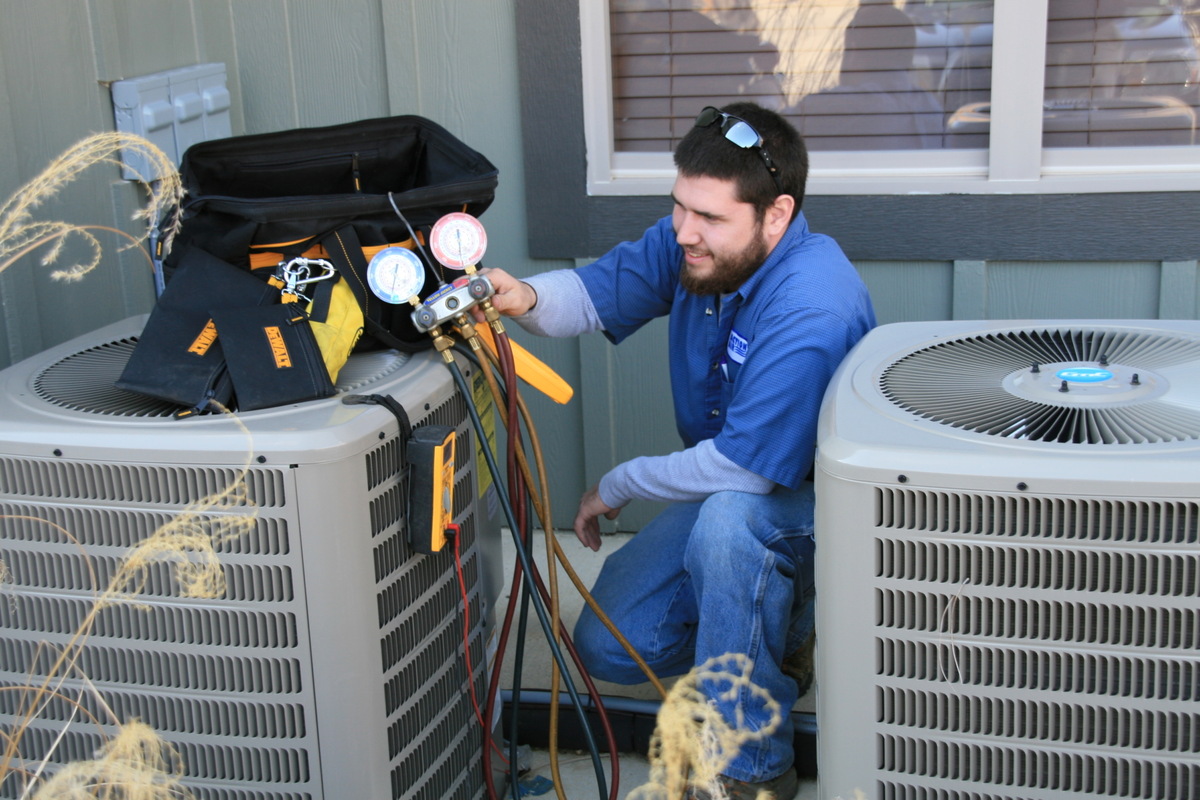
Reactive Maintenance: Maintenance most of the time is conducted in a fire fighting manner; that is, when a problem occurs it is corrected.
Manual Diagnostics: Most of the time, diagnosing of the problems involves a physical examination of the vehicle by a technician, which in the long run means more time spent and more money spent.
· Smart HVAC Systems:
Proactive Maintenance: Smart systems are effective in that they can signal users when some aspects of their complexes require attention before the problems worsen.
Automatic Diagnostics: Such systems can also be capable for carrying out self checkups, reporting or sending signal to the user or the service providing agency which in result can offer quick and efficient repairing to the said systems.


Comments
Post a Comment