How do Suppliers Stay Updated on Emerging Healthcare Trends?
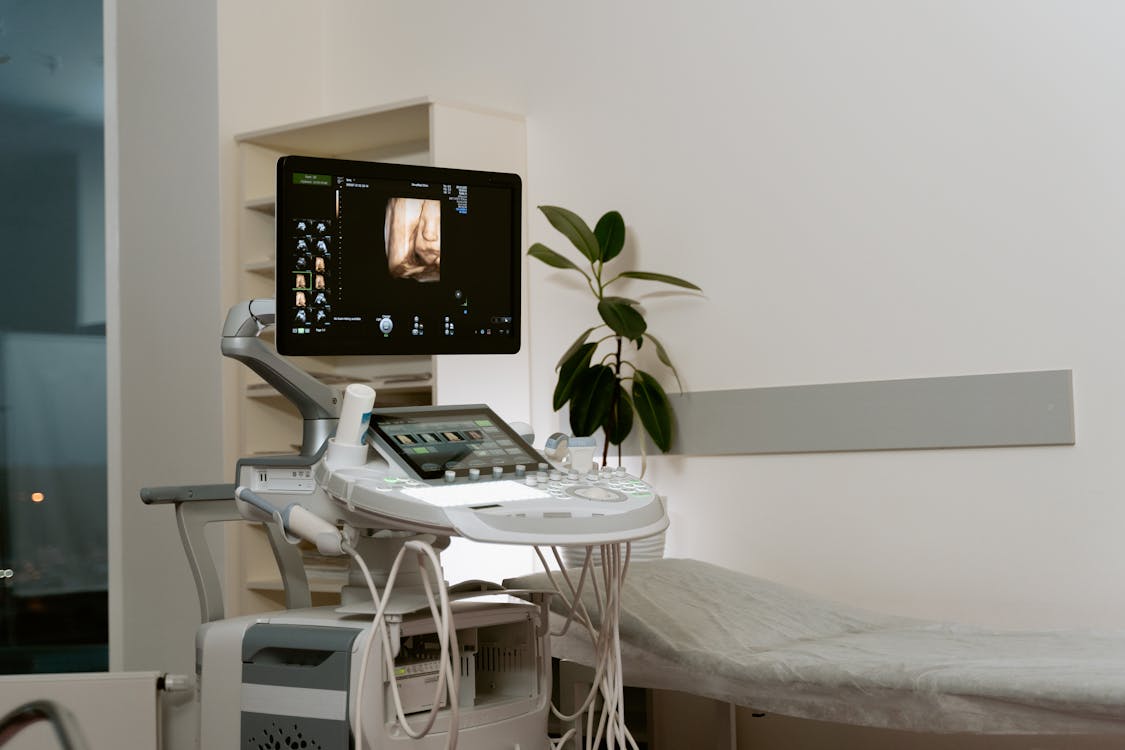
The medical imaging equipment suppliers, as actors within the dynamic context of the healthcare industry, need to continuously monitor trends. Innovation is therefore depicted as the key means of supplying the differentiated needs of the healthcare sectors in light of various emergent developments. Here in this blog, the topic of interest includes the manner in which suppliers for medical imaging equipment review on emerging trends in the healthcare industry and incorporate such information into the products or services they develop and offer to consumers.
1. Continuous Market Research
Market research is an essential component for a business to acquire an understanding of existing trends and projecting probable trends in the market. Suppliers allocate time and resources in collecting data and information on different aspects in the context of the health care industry.
· Surveys and Interviews: It is vital for suppliers to gain knowledge of needs and preferences transforming through surveys and interviews with healthcare practitioners, administrators, and patients.
· Data Analytics: Enterprise big data analytics when employed in suppliers’ environment enables the detection of trends and patterns of data in large datasets to inform the suppliers of market behaviour and technological advancements.
2. Attendance to Trade Fairs and Industry Conferences
Industry conferences and trade shows are an important means of socializing, updating, and marketing news products. Hence, the suppliers attend such fairs with purpose of being knowledgeable of the prevailing trends as well as novelties in healthcare.
· Exhibitions: It also offers the suppliers an opportunity to see and learn the various technologies and solutions their counterparts have to offer within the marketplace hence creating a competitive atmosphere.
· Workshops and Seminars: Suppliers attend workshops and seminars of these events to gain detailed information regarding the topics which include change in regulations or new technologies in the market.
3. Collaboration with Healthcare Institutions
Paying attention to healthcare institutions also helps the suppliers in getting first-hand information on the problems and requirements of the healthcare facilities and patients.
· Clinical Partnerships: Because the structures of many hospitals and clinics correlate well with the functions of the supplier firm, the latter can conduct tests of new technologies in actual usage conditions, including receiving feedback directly from the targeted consumers.
· Advisory Boards: Suppliers may also set up advisory boards made of healthcare professionals, to learn what items are popular or not, or create products that solve existing drawbacks.
4. Another factor relates to the sales; this is the level of investment in research and development.
Hence, based on the from the analysis of GAAP by companies in the healthcare industry, it is critical to emphasize the significance of research and development in order to gain competitive advantage. Buyers dedicate a lot of capital to the development of their products since it is important for suppliers to enhance their products.
So above are the points that will give you a better and transparent picture of what is going on in the hospital throughout.


Comments
Post a Comment