What Materials Are Commonly Used To Make Wall Shelves?
When it comes to selecting the ideal wall shelf, the choice of materials plays a pivotal role in both functionality and aesthetics. The world of wall shelves offers a diverse array of materials, each with its unique characteristics and visual appeal. In this exploration, we'll delve into the commonly used materials for crafting wall shelves, understanding how they contribute to the overall design and durability of these essential home elements.
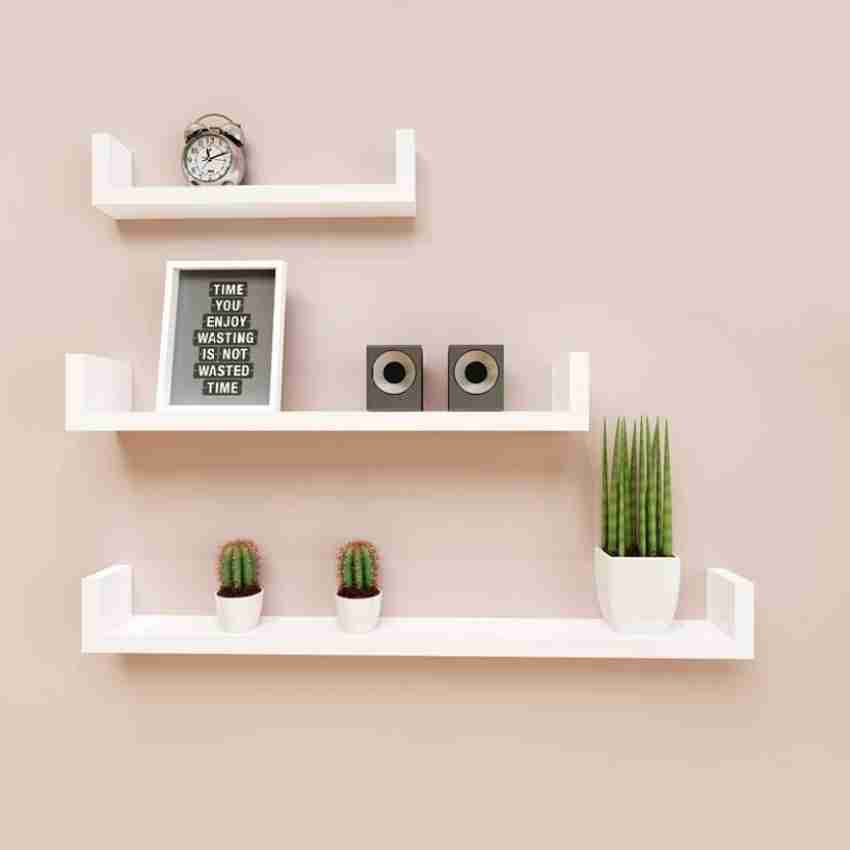
1. Wood: A Timeless Classic
Wood remains a timeless and versatile choice for wall shelves. Its natural warmth and grain patterns can complement a wide range of interior styles, from rustic to modern. Hardwoods like oak, maple, and walnut are popular choices for their durability, while softer woods like pine offer a more economical option. .
2. Metal: Sleek and Modern
For a contemporary and industrial aesthetic, metal wall shelves are a popular choice. Materials such as steel, iron, or aluminum provide a sleek and minimalist look. Metal shelves are often chosen for their durability and ability to support heavy loads, making them suitable for various storage needs. They can be left bare for an industrial look or coated with different finishes for added style.
3. Glass: Adding Elegance and Openness
Glass shelves bring an air of sophistication and openness to any space. They are commonly used in bathrooms, kitchens, and living areas. While not suitable for heavy-duty storage, glass shelves create a light and airy feel, making them ideal for displaying decorative items, glassware, or books. Tempered glass is often chosen for its enhanced strength and safety features.
4. Particleboard and MDF: Affordable and Versatile
Particleboard and Medium Density Fiberboard (MDF) are engineered wood products that offer an affordable and versatile option for wall shelves. They are often used for budget-friendly furniture and shelving solutions. While not as durable as solid wood, these materials can be finished with veneers, laminates, or paint to achieve a polished and cohesive look.
5. Acrylic: The Invisible Option
Acrylic or lucite shelves provide a modern and almost invisible storage solution. Ideal for smaller spaces, acrylic shelves offer the functionality of shelving without visually cluttering the area. They are lightweight, easy to clean, and can blend seamlessly into any decor style.
6. Laminate: Combining Style and Durability
Laminate shelves consist of a core material, often particleboard or MDF, covered with a layer of decorative laminate. This material offers a balance between style and durability, making it resistant to the scratches, stains, and moisture. Laminate shelves come in various finishes, mimicking the look of wood, metal, or other materials.
7. Bamboo: Eco-Friendly and Stylish
Bamboo has gained popularity as an eco-friendly and sustainable material for wall shelves. Known for its strength and durability, bamboo shelves add a natural and earthy element to the decor. The fast growth and renewability of bamboo make it an environmentally over conscious choice for those seeking sustainable options.
8. Heavy-Duty Options for Sturdy Storage
For heavy-duty storage needs, especially in areas like garages or workshops, shelves need to be built to withstand substantial weight. Explore heavy-duty shelves for walls made from materials like steel or robust wood to ensure durability and stability, providing a reliable solution for storing tools, equipment, or other heavy items.
9. Leather: Luxurious and Unique
Leather-wrapped wall shelves add a touch of luxury and uniqueness to any space. The combination of rich leather and sturdy support creates a sophisticated yet functional storage solution. These shelves work well in offices, studies, or areas where a touch of refinement is desired.
10. Concrete: Industrial and Robust
Concrete shelves, often used in contemporary and industrial designs, bring an element of raw strength and durability. These shelves are ideal for spaces that embrace an urban or minimalist aesthetic. Despite their solid appearance, concrete shelves can be surprisingly versatile, offering a modern and architectural vibe to the surroundings.
11. Wicker or Rattan: Bohemian Vibes
Wicker or rattan wall shelves infuse a bohemian and relaxed vibe into a space. These materials are lightweight yet sturdy, making them suitable for displaying decor items or creating a small indoor garden. Wicker shelves are often chosen for their natural, textured look that adds warmth to the surroundings.
12. Ceramic or Porcelain: Artistic and Functional
For those looking to make a statement with their wall shelves, ceramic or porcelain options offer a blend of artistry and functionality. These shelves can feature intricate designs, patterns, or even hand-painted details, turning them into decorative elements that enhance the overall aesthetics of a room.



Comments
Post a Comment